 English
  French
  Dutch
Dutch  German

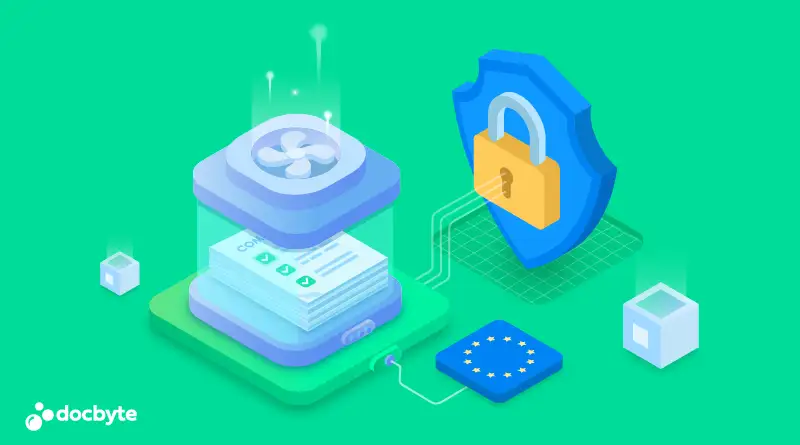
Digital information is expected to remain valid, verifiable, and legally reliable far beyond its original operational use. Documents are digitised, stored, and relied upon long after the systems that created them have changed or disappeared. Over time, the ability to demonstrate integrity, origin, and legal validity often weakens, even though the files themselves still exist.
Electronic Archiving Under eIDAS 2:
This gap between long-term reliance on digital information and the ability to prove its legal trustworthiness is precisely what the amended regulation (EU) 2024/1183 (eIDAS 2) addresses. With eIDAS 2, which entered into force on 21 May 2024, electronic archiving is formally recognised as a Qualified Trust Service. The regulation establishes clear legal requirements for ensuring that digital information remains trustworthy, verifiable, and legally admissible throughout its full retention period.
In an article written by Frederik Rosseel, CEO of Docbyte, originally published in Arkiv Information Teknik (AIT) under the title “Beyond Digital Preservation: Understanding Electronic Archiving in the Age of Trust”, he explains this evolution:
“What sets Electronic Archiving apart is its explicit legal anchoring in the trust service framework under eIDAS. It does not merely suggest best practices, but it codifies them into a compliance framework, complete with certification and auditability. This legal framing introduces a Qualified Trust Service layer atop of the traditional objectives of digital preservation: it unites technical sustainability with legal probative value.”
As a European Qualified Trust Service Provider (QTSP), Docbyte has been preparing for this evolution for years. Our software solution, Docbyte Vault, is designed specifically to support legally compliant electronic archiving (Qualified Electronic Archiving – QeArch), ensuring integrity, authenticity, traceability, and long-term evidential value throughout the full retention period of digital information. This is especially critical in regulated environments such as HR, finance, insurance, trust services, and the public sector.
What the Future Holds for Electronic Archiving:
The AIT article concludes by outlining how this new legal framework changes the way organisations must approach digital information over time:
“With electronic archiving becoming a regulated trust service, we can expect a rapid shift in how organisations treat digital information. It’s no longer enough to save PDFs on a file server. Organisations will need to demonstrate the chain of custody, immutability, and legal trustworthiness, not just internally, but to courts, regulators, partners and the public.
This also opens doors. With digital credentials, electronic diplomas, health records and digital wallets on the rise, the ability to preserve data with trust built-in will become a strategic asset — not just a legal requirement.
The question for every organisation is: are you archiving, or are you just storing?”
Read the full AIT article
If you would like to explore this topic in more depth, you can read the full article in AIT here:
Related Docbyte solution pages
Continue with the solution pages that match this topic:


