 English
  French
  Dutch
Dutch  German

Compliance & Trust
A practical hub for regulated organisations that need digital records to remain trustworthy, auditable and defensible over time.
Start here for Docbyte’s trust-service positioning, standards context, certifications, evidence model and the solution pages that turn compliance into controlled operations.

Docbyte Vault connects Qualified Electronic Archiving, signature and seal preservation, long-term archiving and governed access into one defensible information layer.
Use this hub to understand the trust story first, then move to the right solution page, standard, certification or Trust Center evidence.
Qualified Electronic Archiving
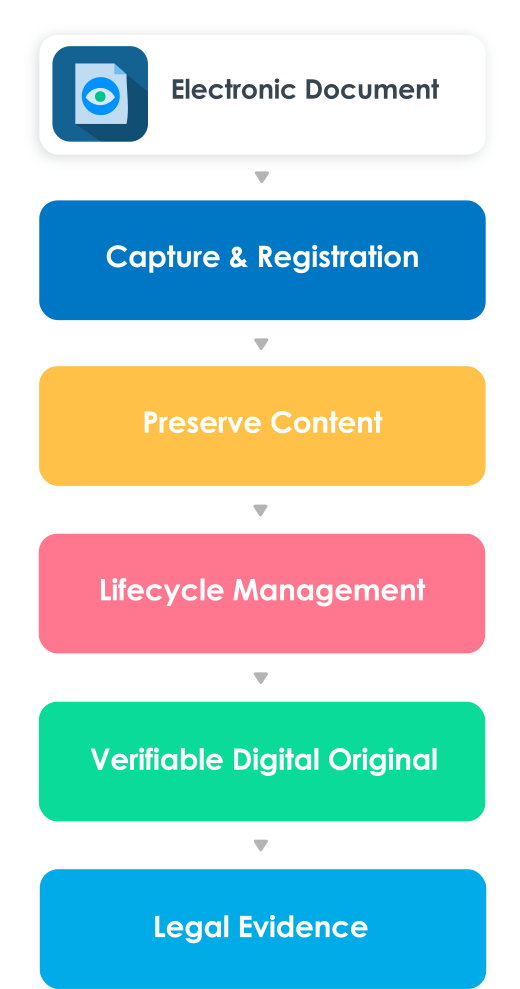
Qualified Electronic Archiving is the eIDAS-aligned trust-service path for electronic records that must remain reliable, governed and usable as evidence over long retention periods.
It goes beyond storage by adding controlled ingest, integrity protection, proof of origin, auditability, retention governance and preservation evidence.
Why it matters
- Records remain trustworthy after systems, formats and certificates change.
- Integrity, origin and lifecycle controls are preserved as evidence.
- Audit and regulatory review can rely on traceable, explainable controls.
Primary solution

Trust and Evidence Layer
The Trust and Evidence Layer is where the compliance promise becomes visible: provenance, validation evidence, audit trails, preservation metadata, access logs and lifecycle events that explain why a record can still be trusted.
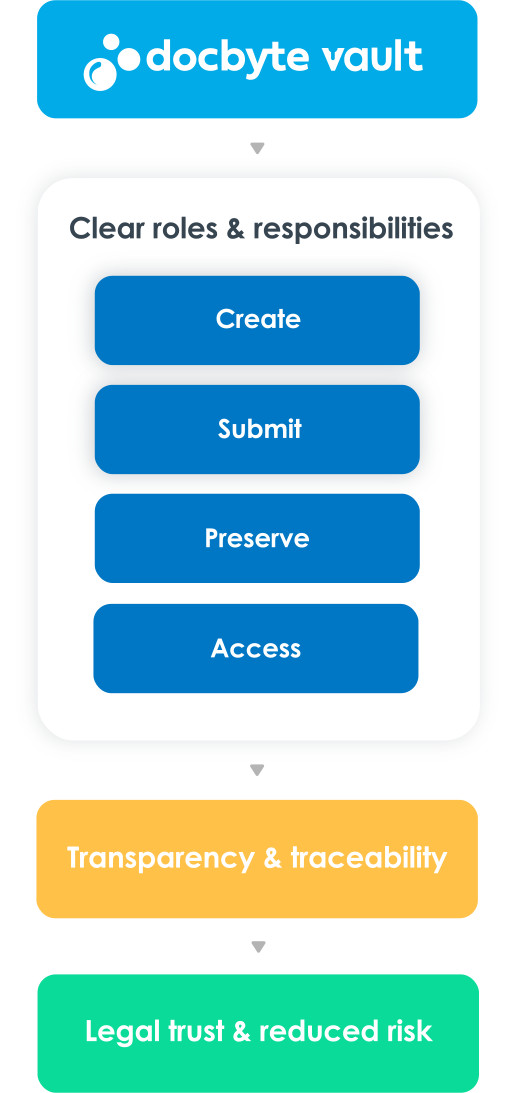
This layer bridges technical controls and commercial trust. It shows how Docbyte Vault makes evidence usable for auditors, regulators, legal teams and operational users.
What it will cover
- Provenance and chain of custody from ingest to access.
- Integrity checks, validation evidence, timestamps and preservation metadata.
- Audit-ready exports, controlled access and clear role separation.
Standards & Certifications
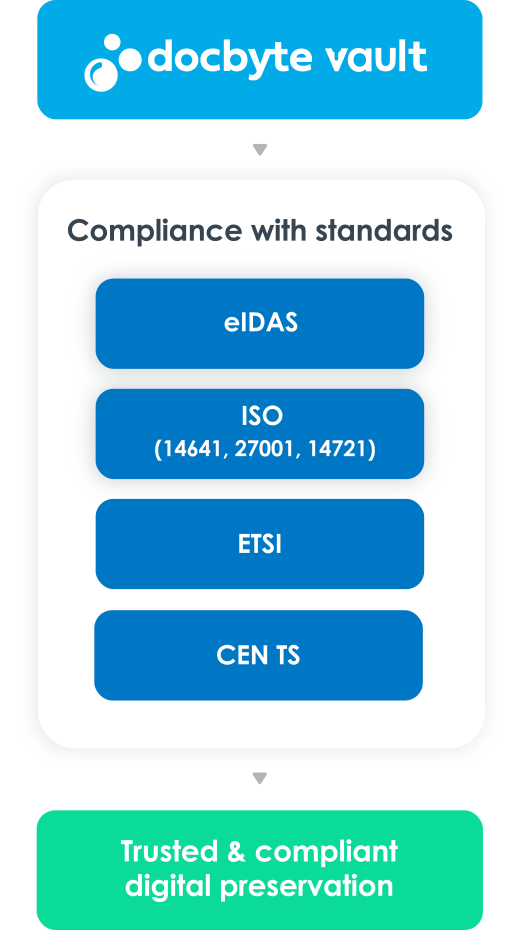
Docbyte’s trust story is grounded in recognised standards and formal assurance. The standards page helps prospects understand the frameworks behind qualified archiving, preservation, security and auditability.
The certification layer gives buyers a way to move from claims to verifiable proof, without making the website itself a raw evidence repository.
Relevant assurance signals
- eIDAS and EU trust-services context.
- ETSI TS 119 511 and ETSI TS 119 512 for preservation services.
- CEN TS 18170:2025 and ISO 14641 for electronic archiving.
- OAIS (ISO 14721), retention governance and preservation planning.
- ISO 27001 and operational security controls.
- Trust Center evidence for customers, procurement and security review.
Use this route when prospects ask which standards Docbyte follows, how certification supports trust, or where assurance documents can be reviewed.
Trust Center
The Trust Center should remain a separate evidence destination. It is useful when a buyer, security reviewer or procurement team needs structured assurance material, policies or compliance evidence.
This hub gives the context first: why the evidence matters, which Docbyte solution it supports and when to move into the Trust Center for formal review.
Continuous Compliance & Auditability
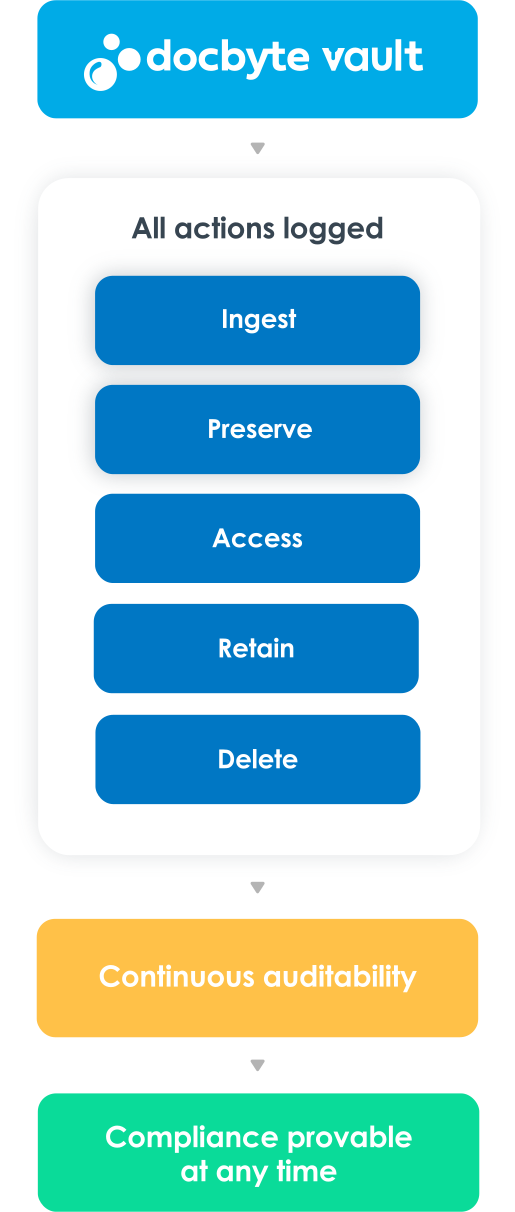
Trust is sustained through repeatable controls, not one-time documentation. Docbyte Vault supports controlled ingest, retention, legal hold, access, export and deletion with audit trails that help organisations demonstrate what happened and why.
For implementation paths, connect this hub to digital archiving, application retirement and secure document collection.
Why this matters
- Controls are designed to be demonstrated during audit or inspection.
- Evidence is preserved alongside records, not reconstructed afterwards.
- Compliance teams can connect policy, retention, access and proof.

Built for Regulated Environments
Docbyte is relevant where information must withstand legal scrutiny, regulatory oversight and long retention periods. This hub helps regulated buyers understand the structure before they choose a solution path.
It connects the commercial trust story, the formal evidence in the Trust Center and the solution pages that turn compliance requirements into operational controls.
Next: